What Is PRP and How Does It Works? You Need To Know 2025
What Is PRP?
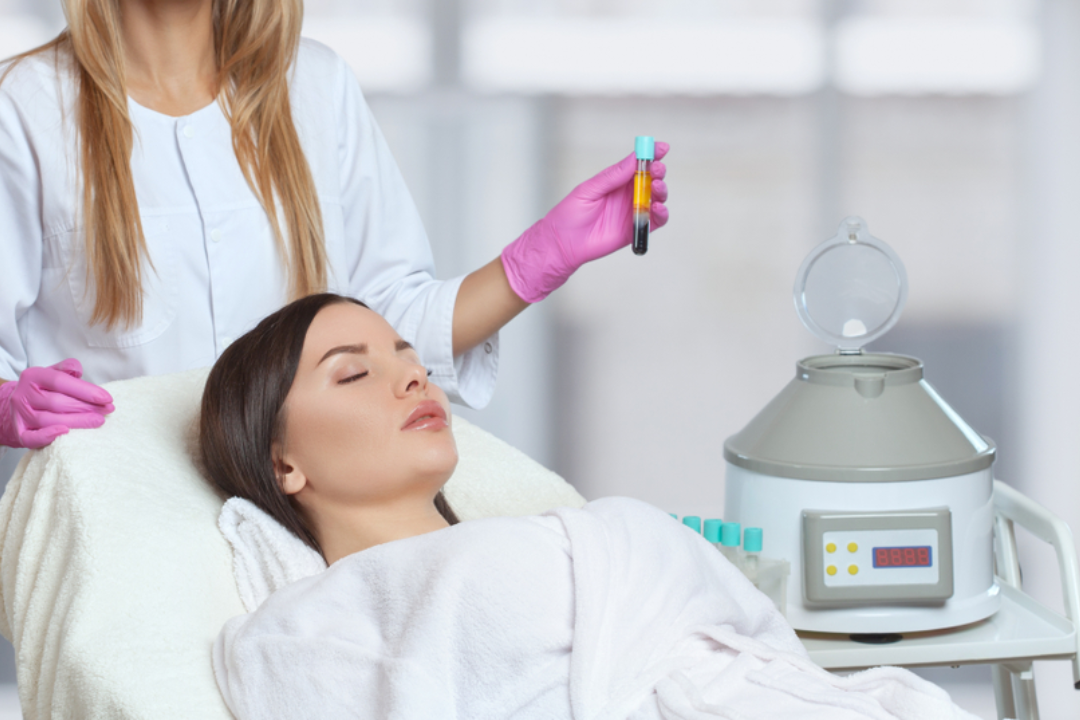
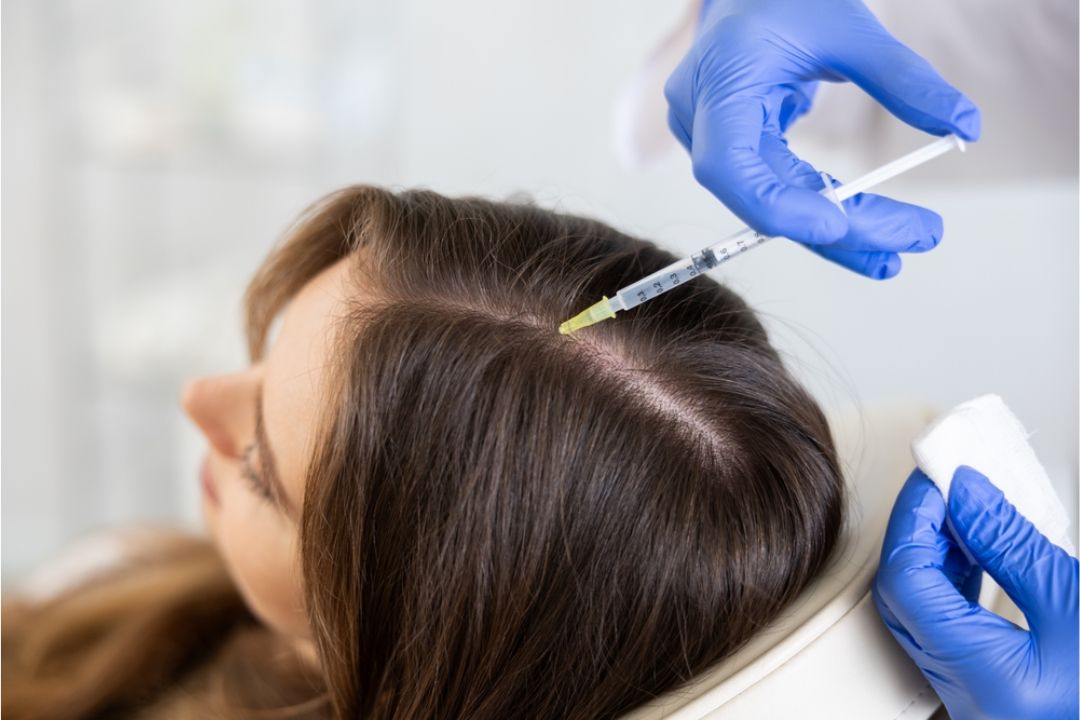
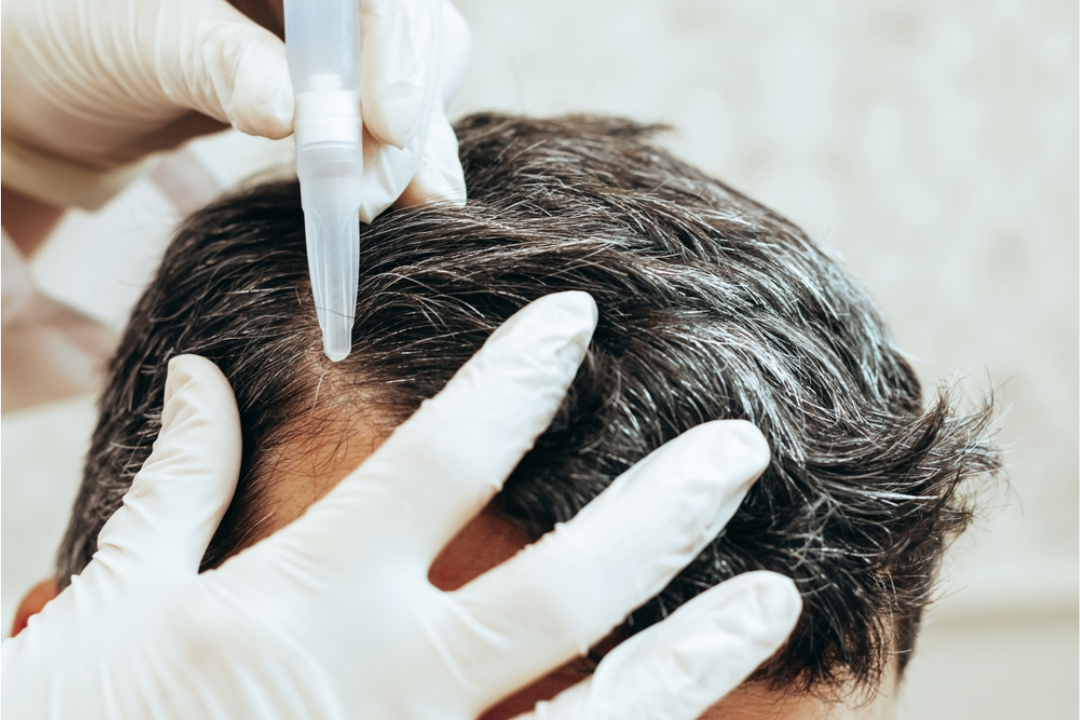
The plasma is a gel-like substance in the blood that is composed of highly concentrated growth factors. The growth factors are what help in the stimulation of the resting or weak hair follicles. This helps to restart the growth cycle of the hair, and in the long term, the patient starts to see a better hair density, less shedding, and the hair follicles are thicker and healthier.
PRP therapy does not affect the hormone levels like the drugs do. It only helps to support the body’s biology instead of counteracting it. This is the reason that a lot of dermatologists are recommending PRP to patients with early signs of hair loss. PRP therapy is also good for people who cannot take oral medications.
PRP for Joint and Muscle Injuries
PRP therapy is not only used for skin-related treatment, but it can also be used for other purposes. A lot of sports doctors and orthopaedic specialists are using this treatment for treating:
- Ligament sprains
- Tendonitis
- Chronic joint pain
- Tennis elbow
- Muscle tears
How PRP works?
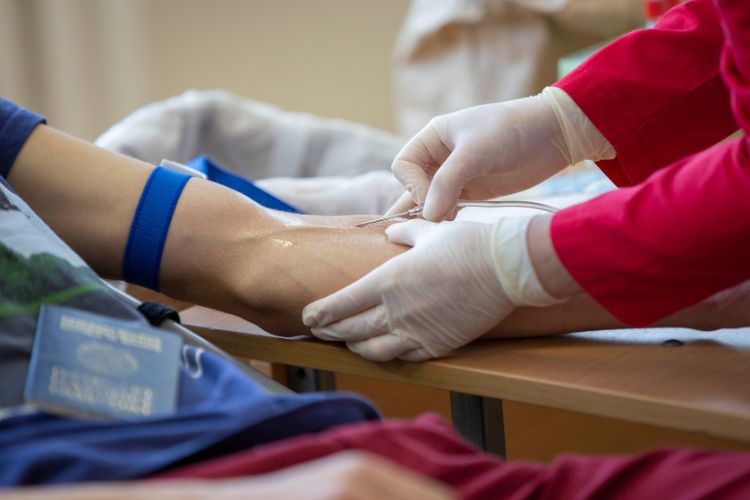
PRP injection starts the localized healing process by activating the release of the growth factors, which are present in the concentration of platelets. The growth factors attract the stem cells in the body and then start to repair the damaged tissue. The platelet rich plasma injections will help in infusing the required plasma to the blood
In case of any joint or muscle injuries, blood clots, pain and reducing inflammation the injection is useful. This is especially useful in the case of chronic injuries that do not improve with any other medication.
Plasma is the liquid used in the PRP treatment can also be used in place of steroid at injection site or surgery, and thus helps in the natural recovery of the patient. This is the reason that a lot of athletes also prefer PRP therapy, as it provides a faster recovery naturally.
What is PRP used for in dermatology?
Dermatologists are also adopting the use of PRP for skin rejuvenation benefits. It is used in many cases in combination with micro needling or laser treatment.
The more collagen and elastin a person produces, the better and youthful the skin a person can get.
What Is The Purpose Of PRP?
The purpose of PRP is very effective in the following cases:
- Acne scars
- Fine lines and wrinkles
- Irregular pigmentation
- Dull or uneven skin tone
The use of PRP under the eyes has become a new trend. A lot of people face the problem of puffiness and dark circles under their eyes due to the lack of blood circulation or the thinning of the skin in that region.
The use of PRP helps to restore the volume in the skin and also improves the micro circulation, thus making the eyes look less tired without the need for surgery. There was a comparative study done between PRP and topical applications like minoxidil.
Clinical Trials and Scientific Evidence
Scientifically, it has been proven that PRP is very effective and useful in dermatology and orthopaedic cases. It has also been proven that the growth of the hair in patients with androgenetic alopecia is significantly improved with the use of PRP after 3 sessions.
Orthopaedically, in many clinical trials, it was seen that the healing was faster and there was better control of pain when PRP was used along with other medications in case of sports injuries. Trials were done on patients who were suffering from tennis elbow and rotator cuff issues, and they reported better mobility and a decrease in inflammation after the use of PRP.
Skin experts also did trials for the use of PRP in combination with microneedling. In these trials, it was reported that there was better collagen production, and also the skin was visibly enhanced in as little as 6 weeks.
Difference of PRP from Other Treatments
A lot of people are still not very sure of the fact that PRP is different from the other treatment options. In the following points, a comparison between PRP and the other treatments has been mentioned:
- Minoxidil and finasteride: These are the chemical-based hair loss The results of these two medications are not consistent and it is required that they have to be used regularly.
- Steroid injections: The injections that are used to relieve the pain and inflammation in the joints are steroid injections. It can be effective, but it can cause tissue damage if it is used regularly.
PRP is also safe compared to other treatment options. This is because it is autologous, which means that it is made by the use of the patient’s blood. There is no chance of getting any allergic reaction or any kind of disease transmission to the patient.
Ideal Candidates for PRP Injections
PRP therapy is good for all healthy adults, and the ideal candidates are people who have the early stage of hair loss and mild to moderate skin and joint issues.
PRP injections are not recommended for the following people:
- People who are suffering from bleeding disorders
- Patients who are undergoing cancer treatment
- Post-Treatment and Maintenance Care
PRP is not a one-time therapy. It has to be continued for a period of time. For hair loss, the doctors usually recommend 3 sessions that are spaced 4 to 6 weeks apart. Maintenance injection can also be done every 4 to 6 months to preserve the results.
For joint or muscle injuries, depending on the severity of the injury, 1 to 3 sessions are enough. Skin treatments can also require multiple sessions in case the treatment is done in combination with other procedures.
The post-treatment care is very simple. The patient needs to avoid going out in the sun, using harsh chemicals, and should also avoid any kind of strenuous activity for at least 24 hours. Some patients have reported minor swelling or redness, which also fades away within a day.
Demand and Market Trends
PRP is becoming very popular all over the world. It is more popular among those people who are in search of natural and non-invasive options. There has been a rise in the demand for PRP-based therapies in clinics across Europe, the US, and even in India.
Patients these days tend to choose the treatment options that do not involve any harsh drugs or surgeries. PRP has been the perfect fit in that trend as it helps in promoting regenerative health instead of hiding the symptoms.
Celebrities and other social media influencers are also promoting PRP for visible and long-lasting effects of PRP. With a rising demand, the technology has also been improved, and the techniques have been improved in the clinics. The prices have also become more affordable in the clinics these days.
PRP Side Effects: What to Expect
PRP therapy is used to enhance the natural repair process in your body. The effects and benefits of PRP therapy are as follows:
- It can reduce the pain and inflammation in the body.
- The skin texture and tone can be improved.
- Fast recovery from muscle injuries and joint pain
- Hair loss can be reversed, and the follicular health can be improved.
- Long-term tissue regeneration and wound healing can be done.
- Multiple sessions can be taken by the patients to get the best results.
Conclusion
PRP therapy is a revolutionary and minimally invasive procedure that helps in using the natural powers of the body to heal. This can be done for the treatment of hair loss, tennis elbow, and also to promote wound healing, and has a very bright future in both cosmetic and clinical medicine.
It works on a cellular level to reduce the inflammation, stimulate the growth, and provide the patient with long-term results without involving any surgeries or synthetic drugs. To understand better about PRP and to get experienced doctor’s consultancy, do book an appointment with us now.
FAQs
- When can I see the result of the treatment?
You will start seeing the result after 3–4 sessions. Sessions are a month apart. Hair growth will take 3–6 months.
- Does PRP hurt?
PRP causes little to no pain except at the site of injection. Local anesthesia can be used to numb the area.
- Can PRP be done with other treatments?
PRP treatment can be provided alongside other treatments. They are commonly conducted along laser treatment, micro needling and minoxidil medication period.
- Who should not get PRP?
Please consult your doctor as PRP should not be used by the patients that are suffering from blood disorders such as cancer, chronic liver issue or are under the prescription for any other type of blood thinning medication.